
Premium Microgreens — Grown with Passion
We grow and deliver the freshest, nutrient-dense microgreens for home chefs, restaurants, hotels, and health-conscious businesses. From seed to harvest in just 7–14 days.
Our Live Varieties
Grown in sterile coco-peat media, harvested fresh at peak nutrition.
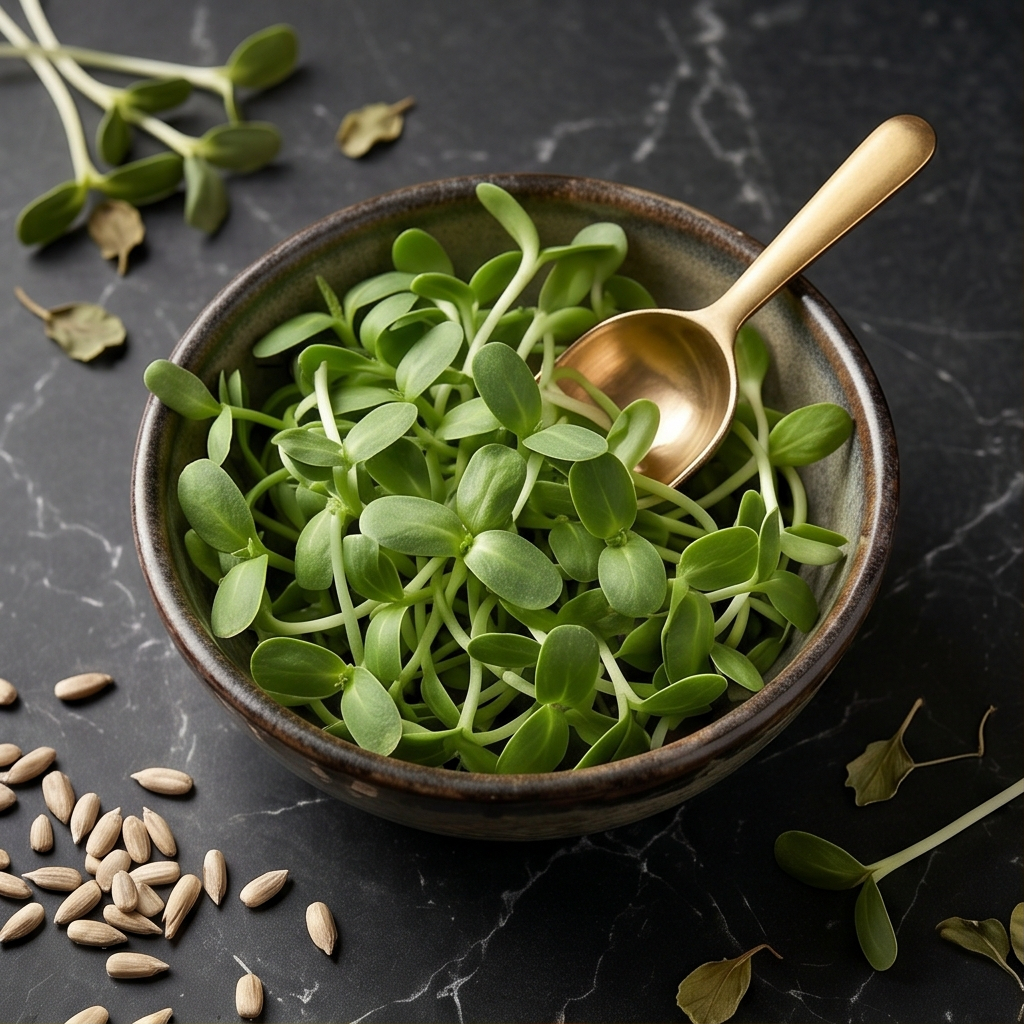
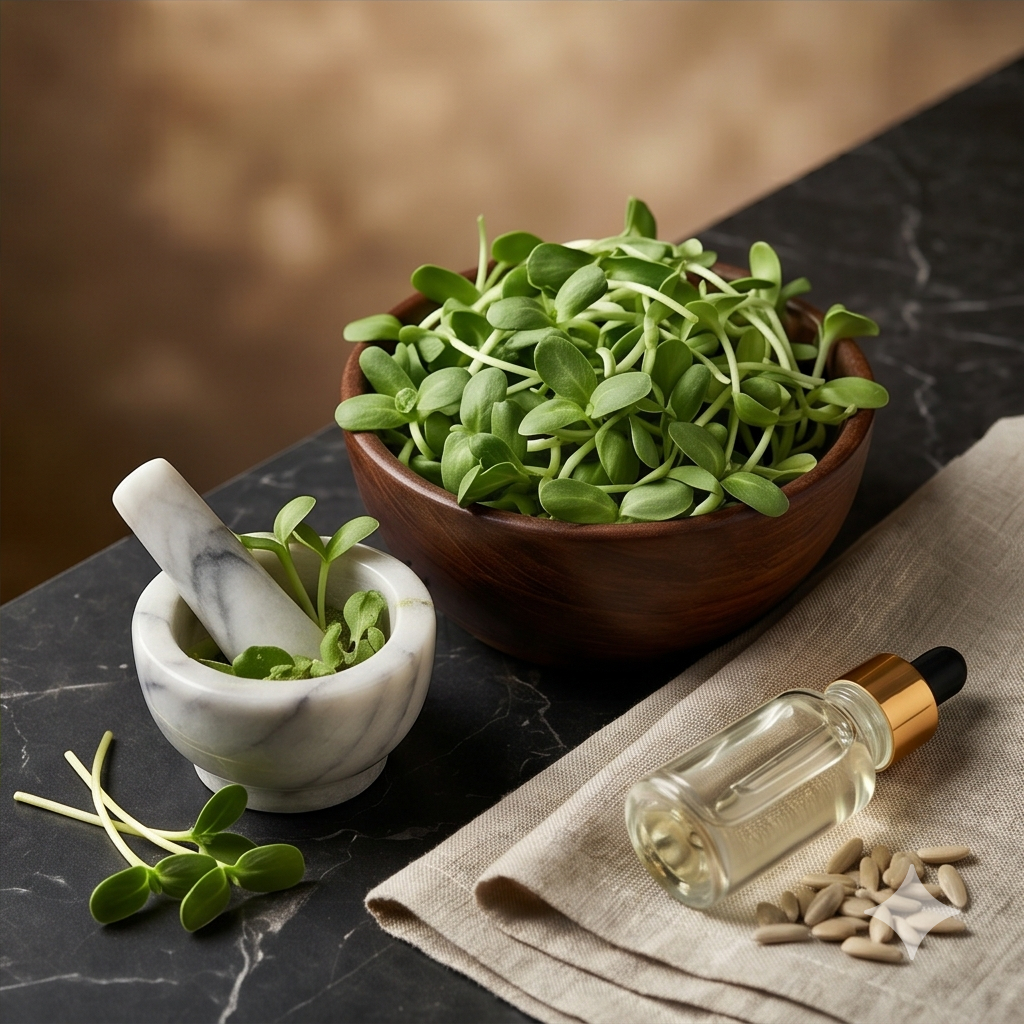
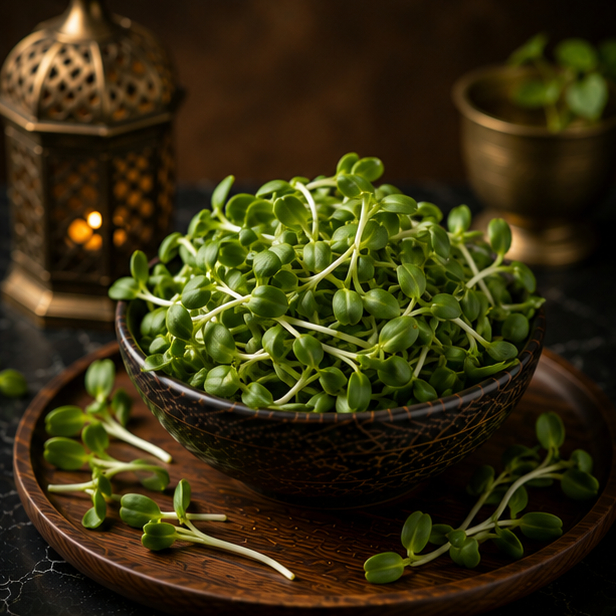
Sunflower Microgreens
Fresh-cut sunflower microgreens (Helianthus annuus). Harvested 8–10 days. Nutty, crunchy — rich in Vitamin E, zinc, and complete plant protein.
View Details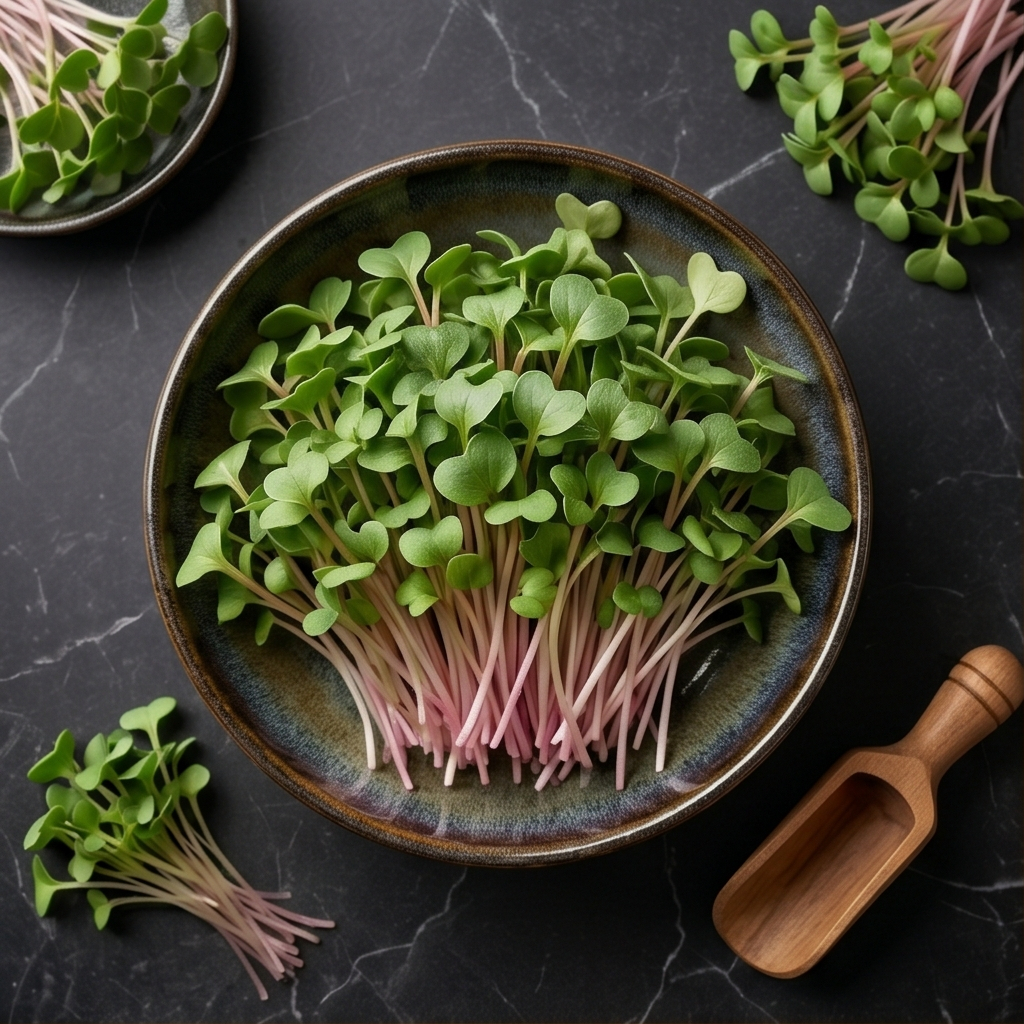
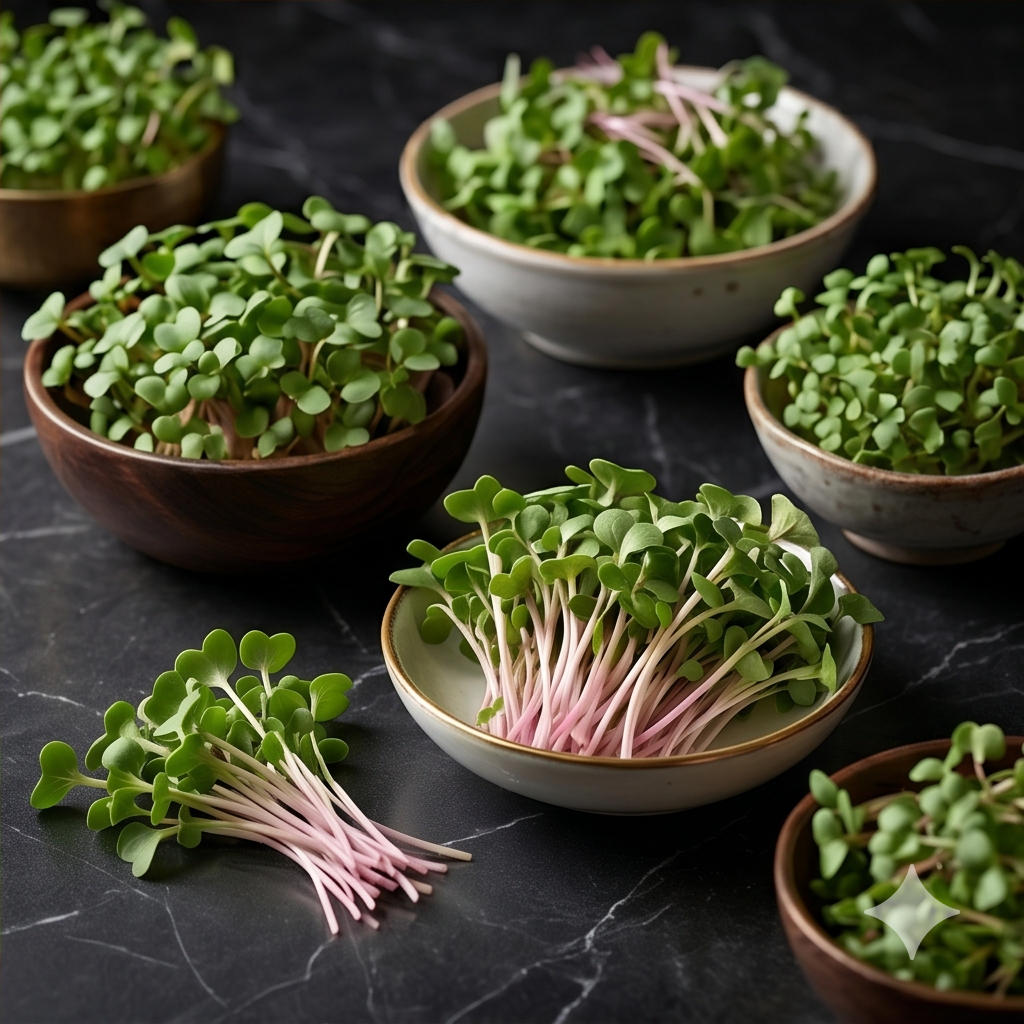
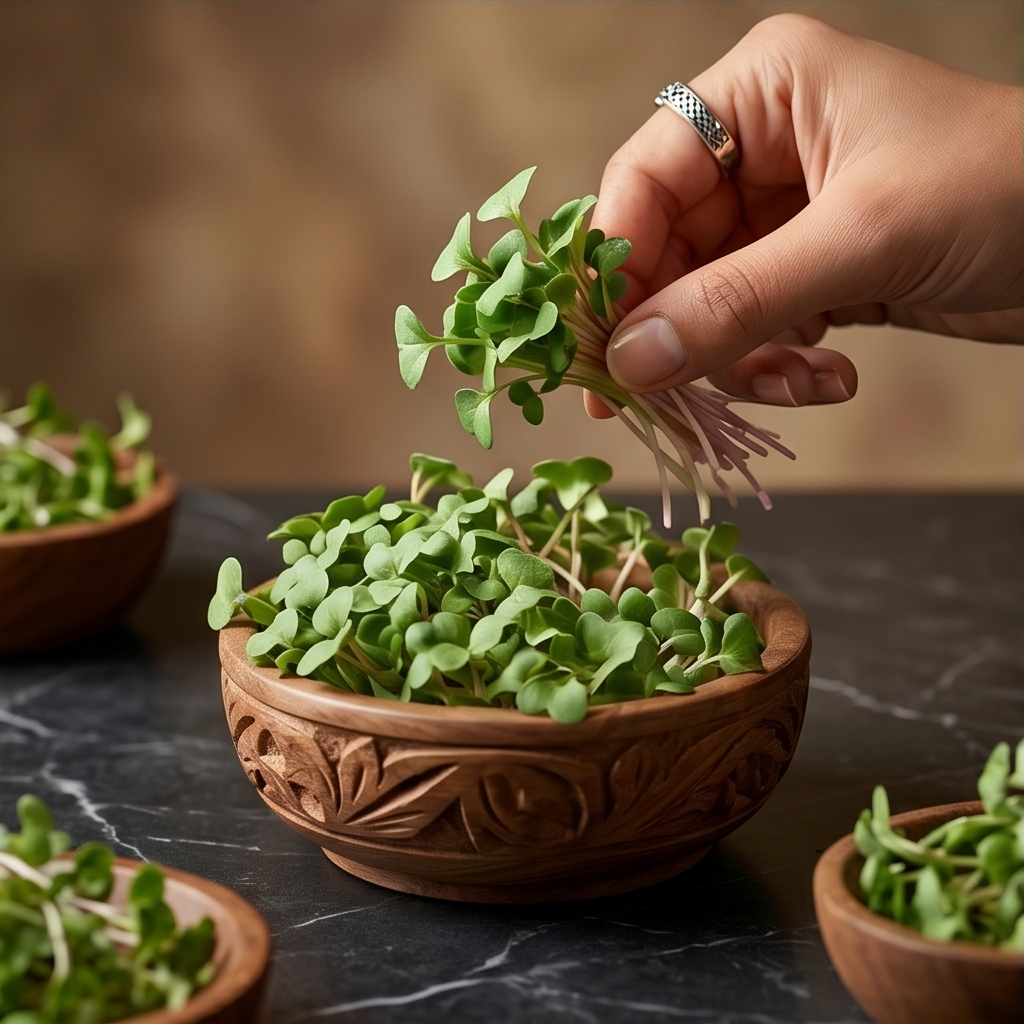
Radish Microgreens
Fresh-cut radish microgreens (Raphanus sativus). Harvested 6–8 days. Peppery, pink-stemmed — rich in glucosinolates and Vitamin C.
View Details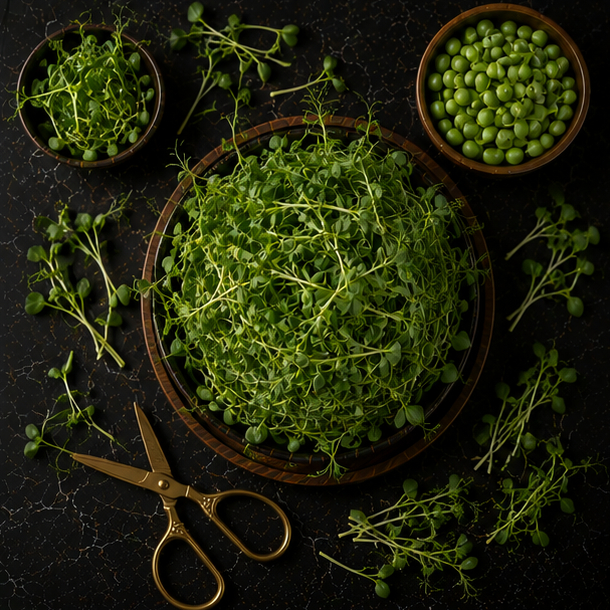
Pea Shoot Microgreens
Fresh pea shoot microgreens (Pisum sativum). Harvested 10–14 days. Sweet-tasting, tender, rich in Vitamin C, folate, and plant protein.
View Details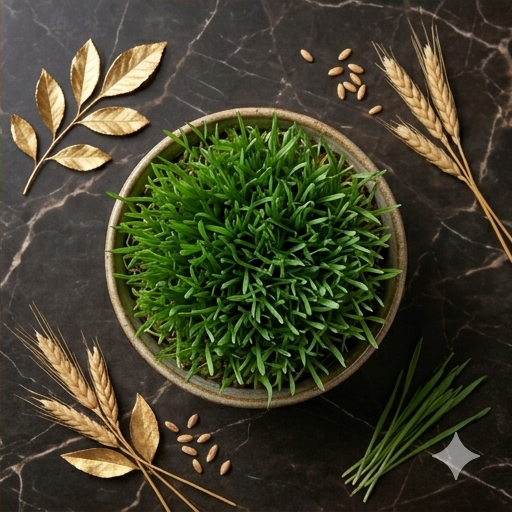
Fresh Wheatgrass
Fresh-cut wheatgrass (Triticum aestivum). Grown 7–10 days on organic coco-peat. Dense in chlorophyll, iron, magnesium, and live enzymes.
View Details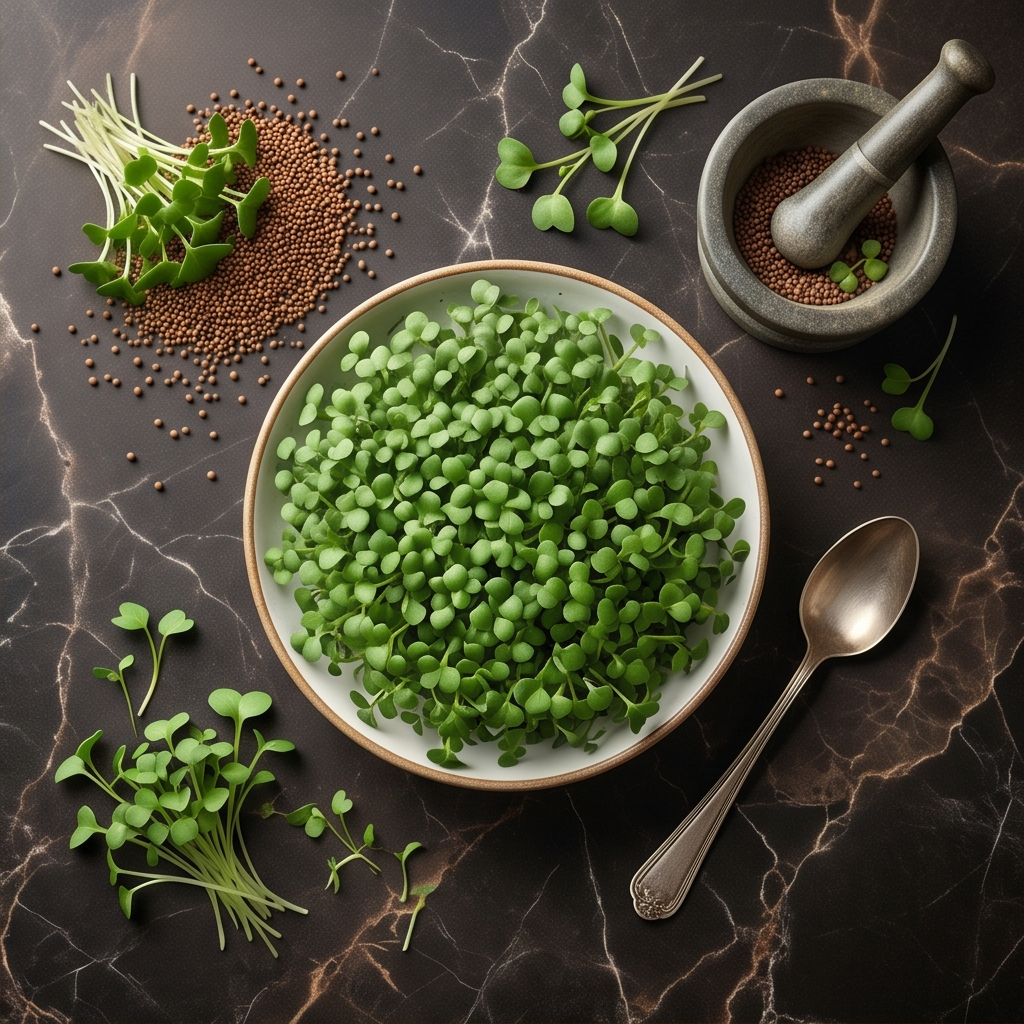
Mustard Microgreens
Fresh mustard microgreens (Brassica juncea). Harvested 6–8 days. Wasabi-like heat from sinigrin/allyl isothiocyanate — rich in Vitamin K.
View Details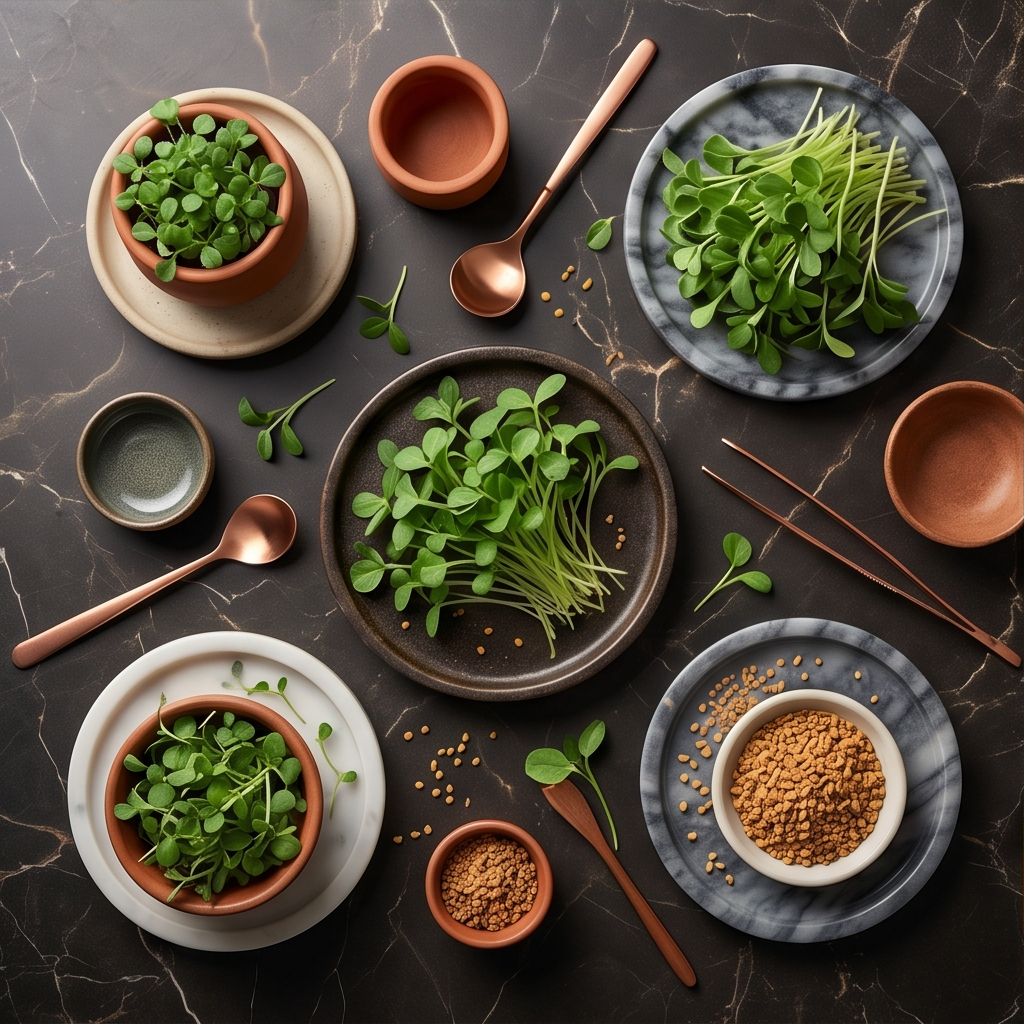
Fenugreek (Methi) Microgreens
Fresh fenugreek microgreens (Trigonella foenum-graecum). Harvested 7–12 days. Slightly bitter, aromatic — rich in galactomannans, iron, and saponins.
View Details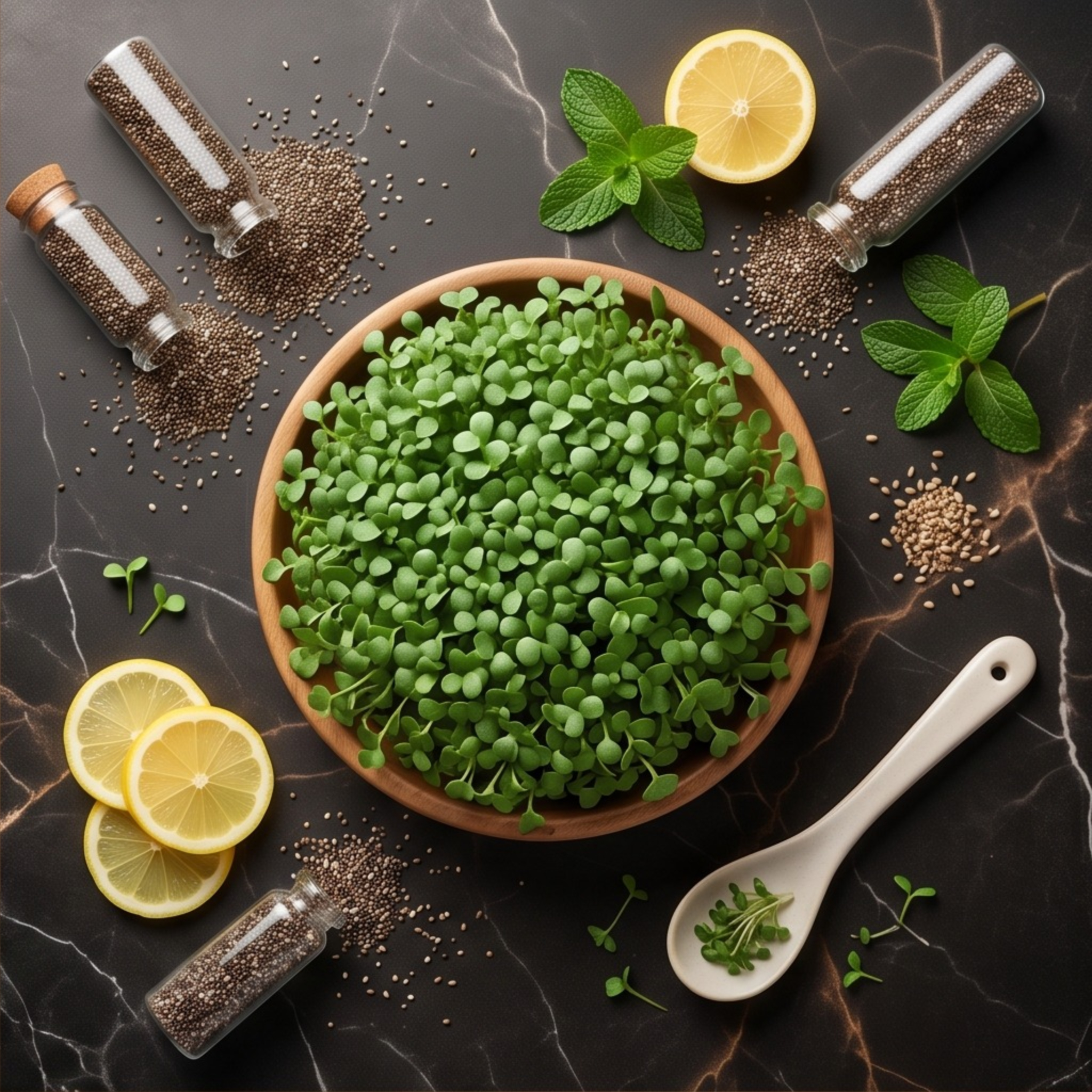
Chia Seed Microgreens
Fresh chia seed microgreens (Salvia hispanica). Harvested 7–10 days. Mild, delicate — bioavailable calcium, ALA omega-3, and antioxidant flavonoids.
View Details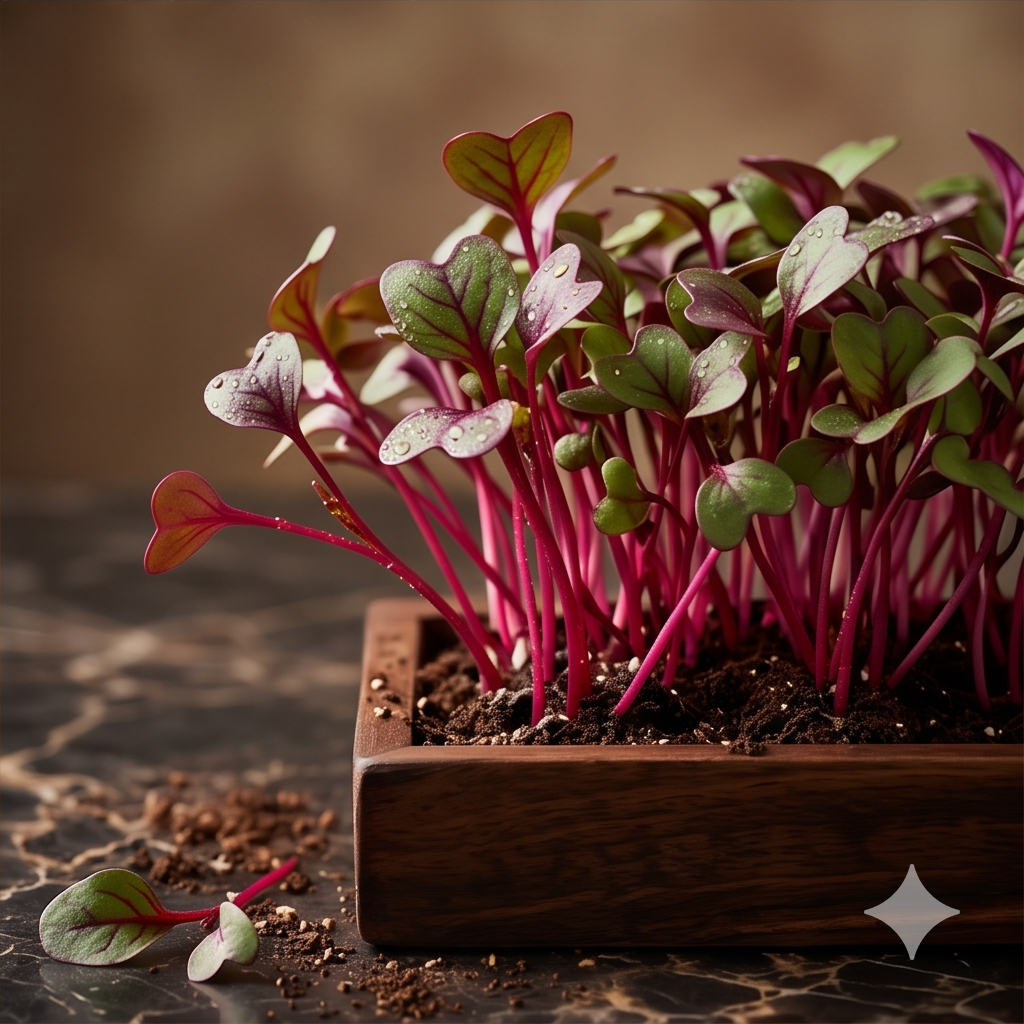
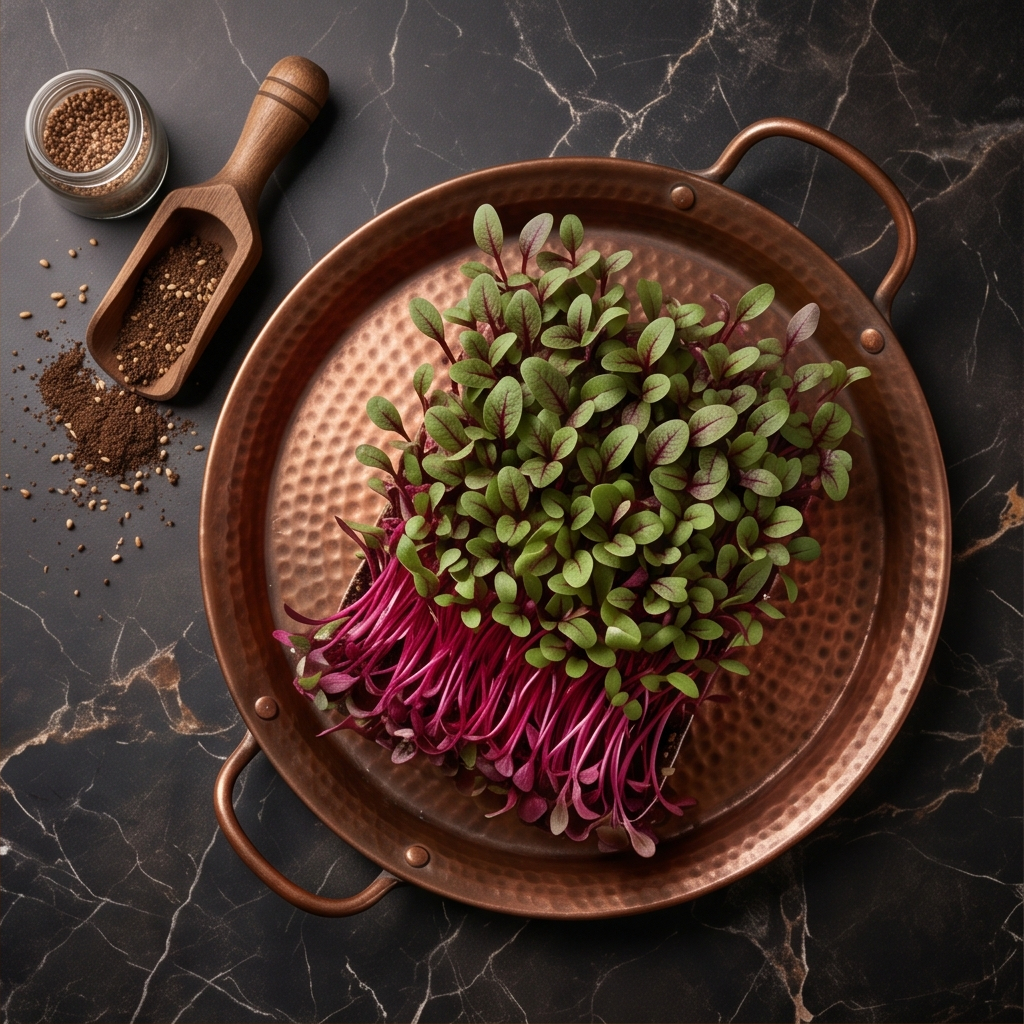
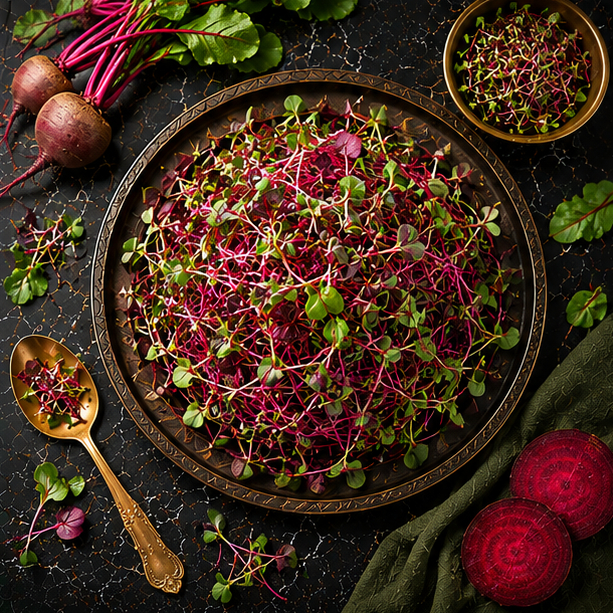
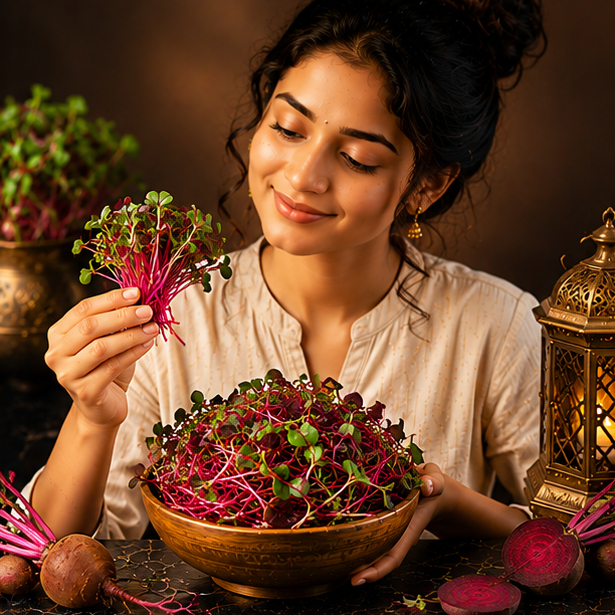
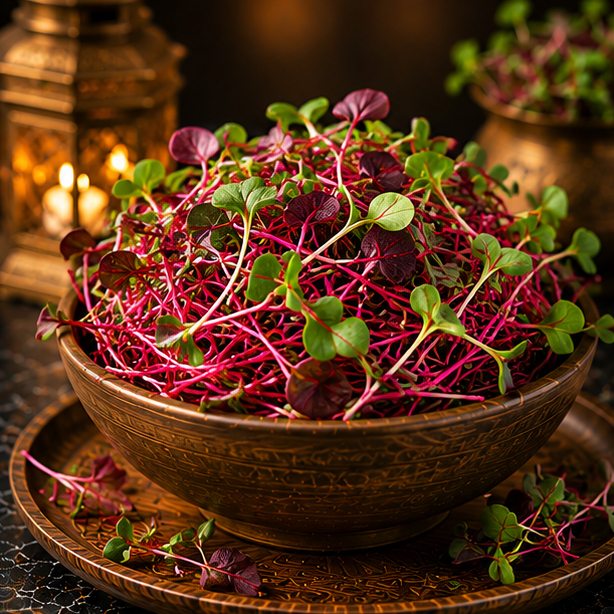
Beetroot Microgreens
Fresh beetroot microgreens (Beta vulgaris — Detroit Dark Red). Harvested 12–16 days. Betalain-red, nitrate-rich — heart health and performance.
View DetailsSunflower Microgreens

nutrition Nutrition Facts (per 10g serving)
Sunflower microgreens (Helianthus annuus) are harvested at the cotyledon stage (8–10 days from seeding) — the peak of nutrient density. Grown on organic coco-peat trays in climate-controlled, hygienic conditions. They have a satisfying crunch and rich nutty flavour similar to fresh sunflower seeds. High in Vitamin E (tocopherols), Vitamin B6, zinc, healthy mono- and polyunsaturated fats, and plant protein. Among the highest protein-per-gram of any microgreen. These are FRESH LIVING PLANTS — not dehydrated. Shelf life: 5–7 days refrigerated (2–5°C). Supplied in sealed food-grade trays or clamshells.
Benefits & Culinary Uses
Salad Base
Substantial base for fresh salads with superior crunch over lettuce.
Sandwiches & Wraps
Adds a premium crunchy texture to wraps, sandwiches, and subs.
Brain Health
Vitamin B6 and zinc support neurotransmitter production and cognition.
Skin & Cell Health
Vitamin E (tocopherols) protect cells against oxidative damage.
Plant Protein
High-quality plant protein for muscle support and satiety.
Healthy Fats
Contains mono- and polyunsaturated fatty acids for heart health.
Radish Microgreens

nutrition Nutrition Facts (per 10g serving)
Radish microgreens (Raphanus sativus) are harvested at 6–8 days from seeding for maximum glucosinolate concentration. Their striking pink/purple stem colour comes from anthocyanin pigments — natural antioxidants that also indicate peak phytonutrient density. The peppery heat is produced by allyl isothiocyanate (from glucosinolate sinigrin + myrosinase enzyme activation on cutting or chewing). Rich in Vitamin C (~15% DV/10g), Vitamin A (~12% DV/10g), potassium, and glucosinolate compounds studied for Phase II liver detox enzyme activation. FRESH LIVING PLANTS — not dehydrated. Shelf life: 5–7 days at 2–5°C.
Benefits & Culinary Uses
Visual Plating
Vivid pink-purple stems — a favourite of chefs for food styling and fine dining.
Garnish
Perfect fresh topper for sushi, tacos, grain bowls, and Asian dishes.
Immunity
~15% DV Vitamin C per 10g supports natural immune defences.
Metabolism
Isothiocyanates from glucosinolates support digestion and metabolic activity.
Detox Support
Glucosinolates activate Phase II liver detox enzymes (sulforaphane pathway).
Digestive Aid
Natural enzymes and anthocyanins support gut health.
Pea Shoots Microgreens
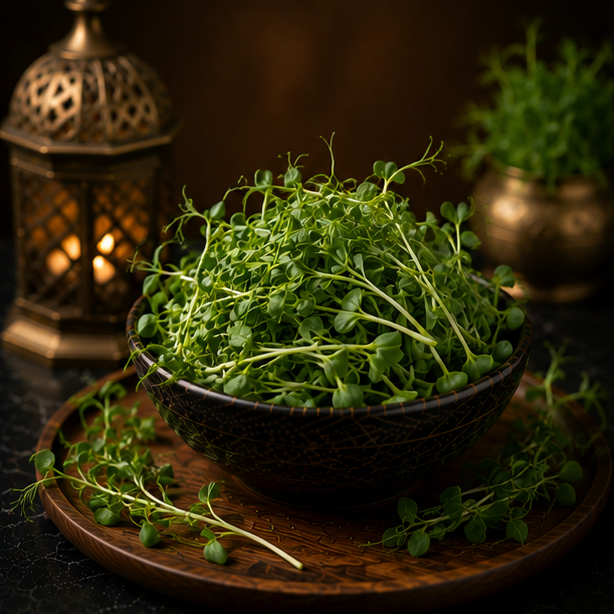

nutrition Nutrition Facts (per 10g serving)
Pea shoot microgreens (Pisum sativum) are the young leaves and tendrils harvested 10–14 days from seeding at the first true-leaf stage. Delicate fresh-pea sweetness. Per 10g: ~0.54g protein, ~20% DV Vitamin C (dramatically higher than blueberries per gram), ~8% DV folate, high Vitamin K, and lutein for eye health. Folate is critical for DNA synthesis, cell division, and prenatal neural tube development. Extremely popular in Asian fine dining and high-end restaurants. FRESH LIVING PLANTS — not dehydrated. Can also be lightly stir-fried. Shelf life: 5–7 days refrigerated.
Benefits & Culinary Uses
Soup Topper
Float fresh pea shoots on hot soups for sweetness, colour, and nutrition.
Stir-Fry
Lightly wilt in garlic and sesame oil — classic Cantonese restaurant dish.
Folate Source
Critical B-vitamin for DNA synthesis, cell growth, and prenatal health.
Eye Health
Lutein and Vitamin A support macular health and visual function.
Green Smoothies
Blends smoothly into green juices with a natural sweet flavour.
Vitamin C Boost
Exceptionally high Vitamin C per gram — significantly exceeds blueberries.
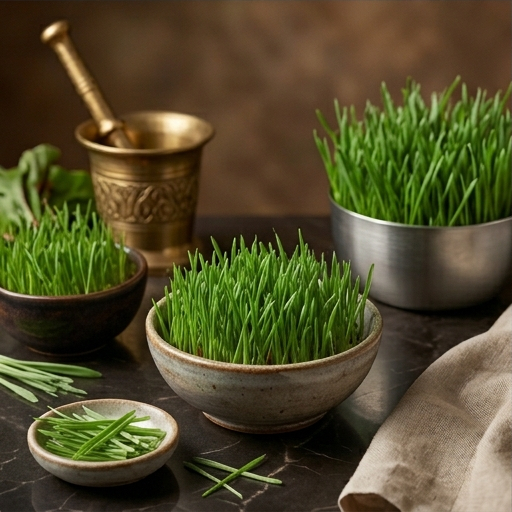
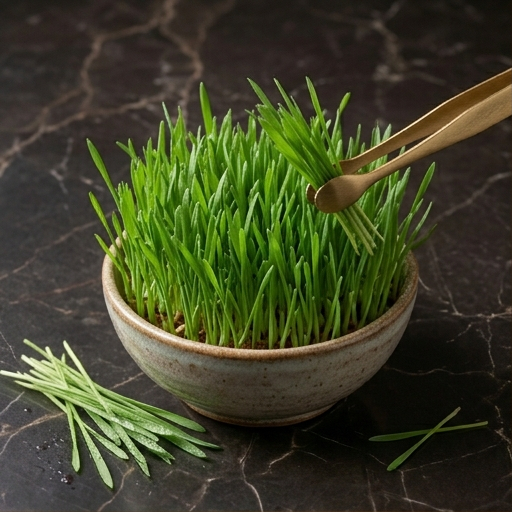
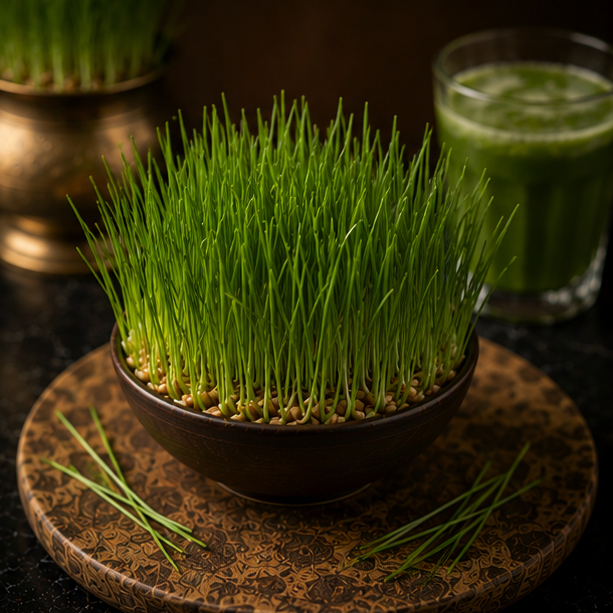
Wheatgrass Microgreens

.jpg)
nutrition Nutrition Facts (per 10g serving)
Wheatgrass (Triticum aestivum) is grown in climate-controlled conditions on organic coco-peat trays for 7–10 days and harvested at maximum chlorophyll density (just before the jointing stage). Chlorophyll is the molecule responsible for photosynthesis — its porphyrin ring structure is molecularly similar to haemoglobin (haem), differing only in the central atom (Mg vs Fe). Best consumed as a fresh-pressed 30ml shot. Contains 17 amino acids, live enzymes including superoxide dismutase (SOD — antioxidant enzyme), iron (~0.15mg/10g), magnesium (~0.8mg/10g), and naturally alkaline mineral profile. FRESH LIVING PLANT — not dehydrated. Shelf life: 5–7 days refrigerated (2–5°C) or supplied as live tray.
Benefits & Culinary Uses
Health Shots
30ml fresh-pressed shot daily for chlorophyll, minerals, and live enzyme boost.
Blood Support
Chlorophyll porphyrin ring structurally similar to haemoglobin — supports iron intake.
Liver Detox
SOD enzyme and chlorophyll support liver detox and free radical neutralisation.
Natural Energy
Rapidly absorbed amino acids and minerals for sustained natural energy.
Oral Health
Chewing fresh grass or using as rinse may reduce gum inflammation.
Alkalising
High mineral content contributes to maintaining healthy alkaline pH balance.
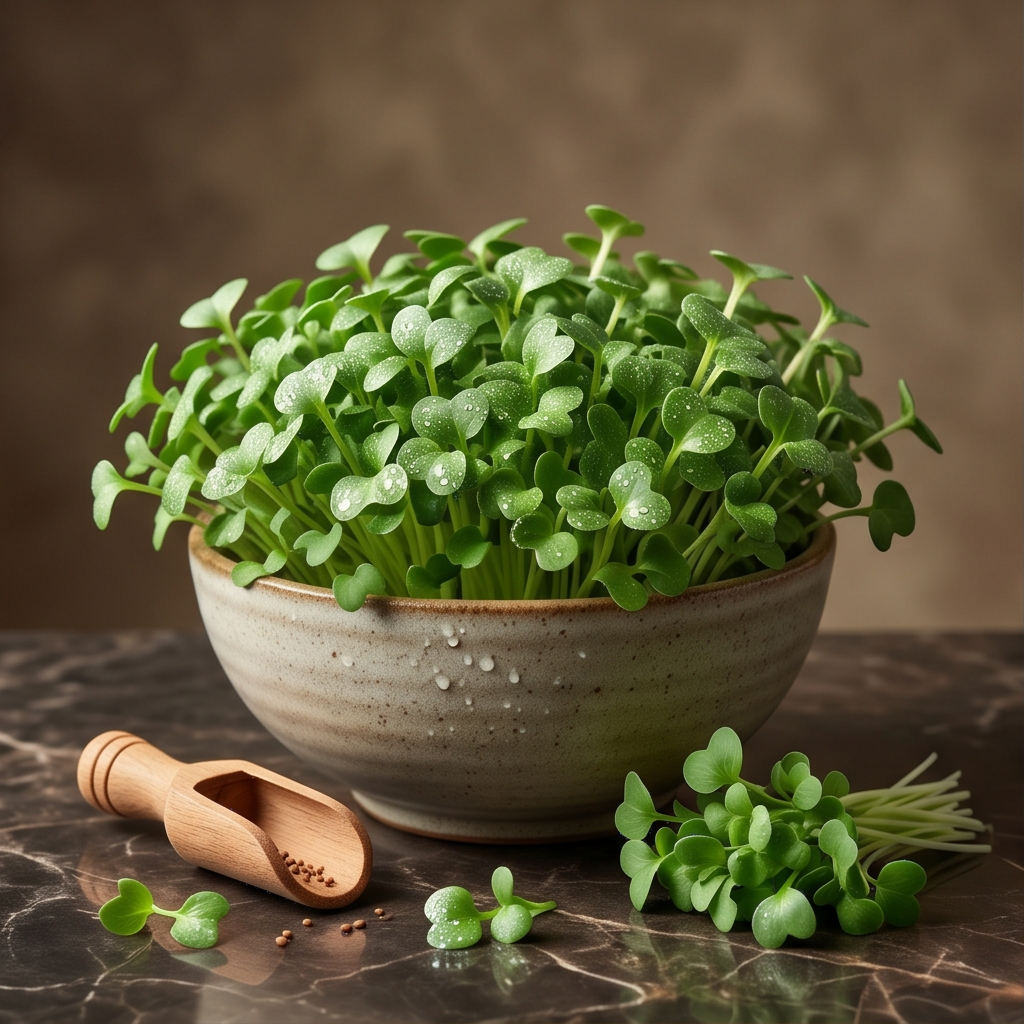
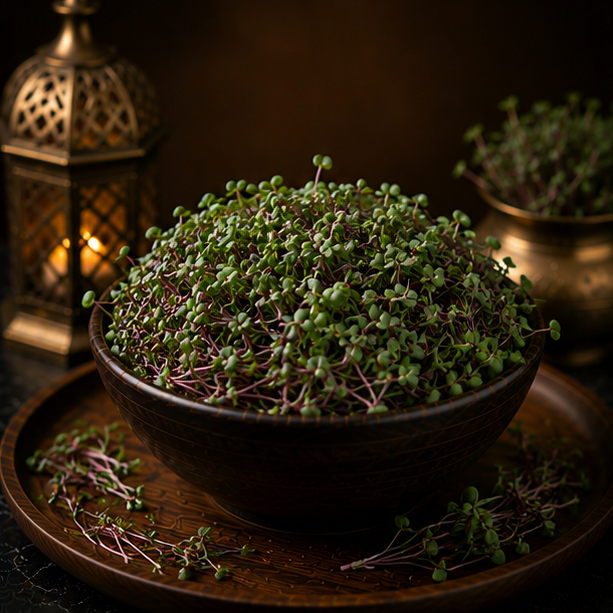
Mustard Microgreens


nutrition Nutrition Facts (per 10g serving)
Mustard microgreens (Brassica juncea) are harvested at 6–8 days — the peak glucosinolate stage. The characteristic wasabi-like heat is produced by allyl isothiocyanate, formed when the glucosinolate sinigrin is hydrolysed by the enzyme myrosinase upon cutting or chewing. The myrosinase-glucosinolate system requires physical disruption to activate — cooking destroys myrosinase and reduces heat. Excellent source of Vitamin K (~20% DV/10g) for bone mineralisation and blood clotting. Also rich in Vitamin A, glucosinolate antioxidants (chemopreventive research ongoing), and allyl isothiocyanate (documented antimicrobial). FRESH LIVING PLANTS. Shelf life: 5–7 days refrigerated.
Benefits & Culinary Uses
Spicy Wraps
Natural heat substitute for mustard sauce in sandwiches and wraps.
Soup Garnish
Adds wasabi-like heat and vivid colour to creamy soups.
Antimicrobial
Allyl isothiocyanate has documented antimicrobial activity against bacteria.
Cellular Protection
Glucosinolates activate Phase II cellular detox enzyme pathways.
Bone Health
~20% DV Vitamin K per 10g — essential for bone mineralisation.
Digestive Stimulant
Mustard isothiocyanates stimulate gastric juice and enzyme secretion.
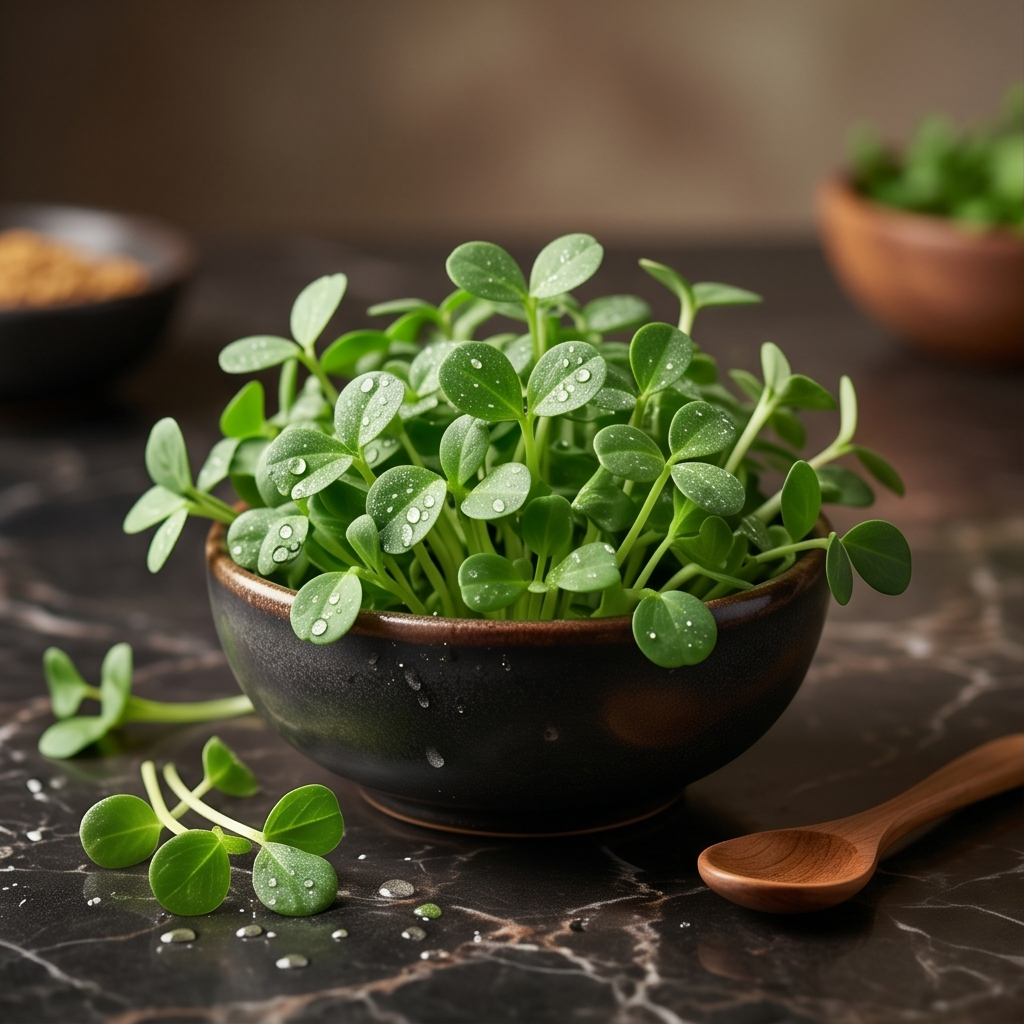
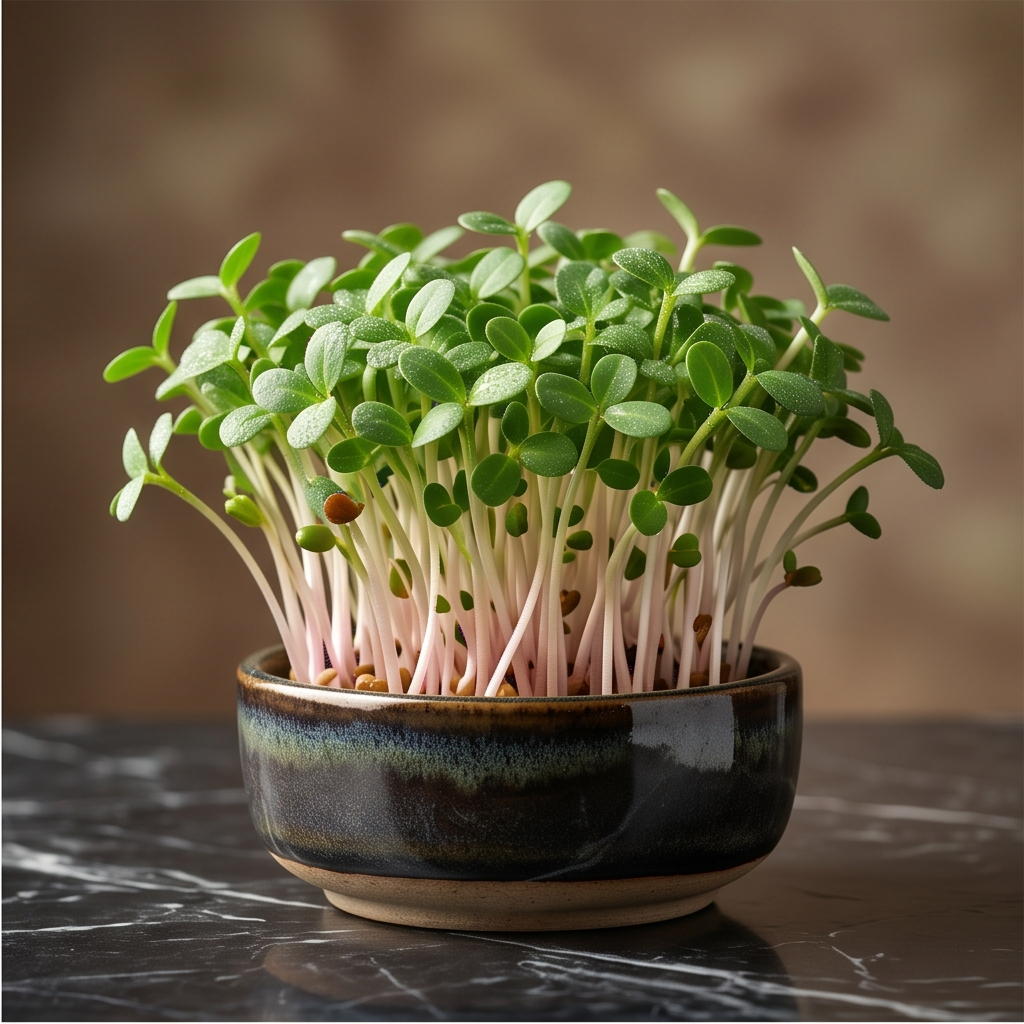
Fenugreek Microgreens

nutrition Nutrition Facts (per 10g serving)
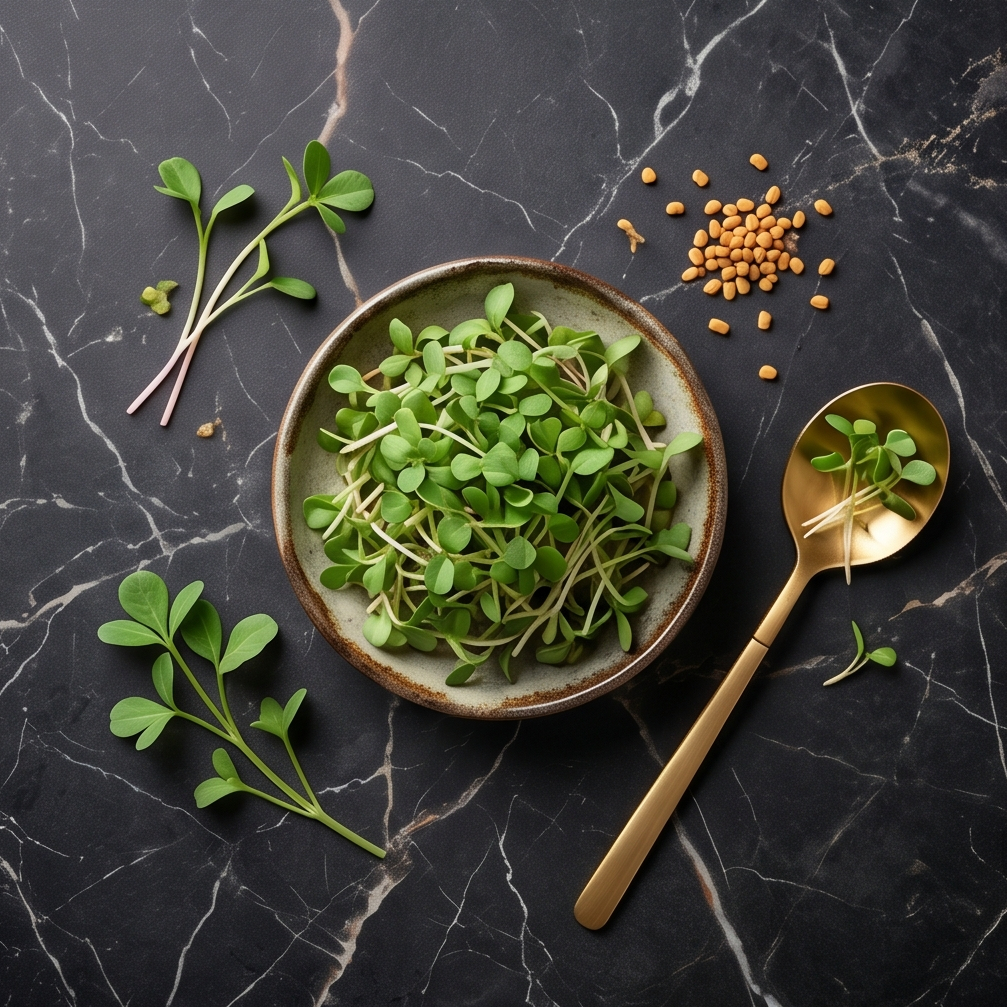
Fenugreek microgreens (Methi — Trigonella foenum-graecum) have been used in traditional medicine for centuries and are among the most bioactive microgreens available. Key compounds: galactomannans (soluble fibre that slows intestinal glucose absorption), diosgenin (a steroidal saponin studied for hormonal balance and galactagogue effects — promotes breast milk production), and 4-hydroxyisoleucine (4-HIL), a unique amino acid studied for stimulating insulin secretion from pancreatic beta cells. Rich in iron and Vitamin C. The characteristic slightly bitter, earthy, aromatic flavour comes from volatile compounds trigonelline and sotolone. FRESH LIVING PLANTS. Shelf life: 5–7 days refrigerated.
Benefits & Culinary Uses
Blood Sugar
Galactomannans slow glucose absorption; 4-HIL stimulates insulin secretion.
Digestion
Soluble galactomannans act as prebiotic fibre for smooth, healthy digestion.
Iron-Rich
~12% DV iron per 10g — supports red blood cell production and energy.
Immunity
Natural saponins and trigonelline support the immune system.
Indian Cuisine
Classic fresh garnish for dals, curries, Indian flatbreads, and chutneys.
Hormonal & Lactation
Diosgenin studied for hormonal balance and breast milk production support.
Chia Seed Microgreens


nutrition Nutrition Facts (per 10g serving)
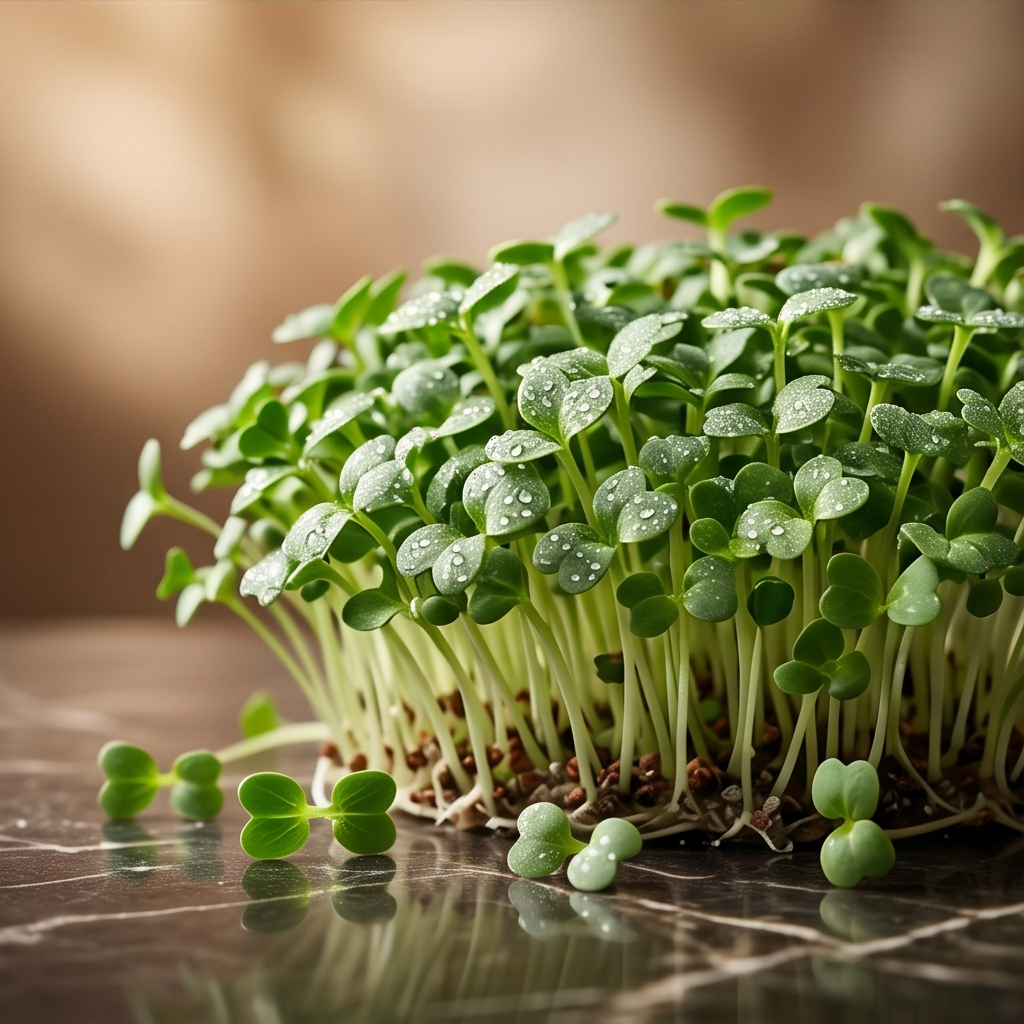
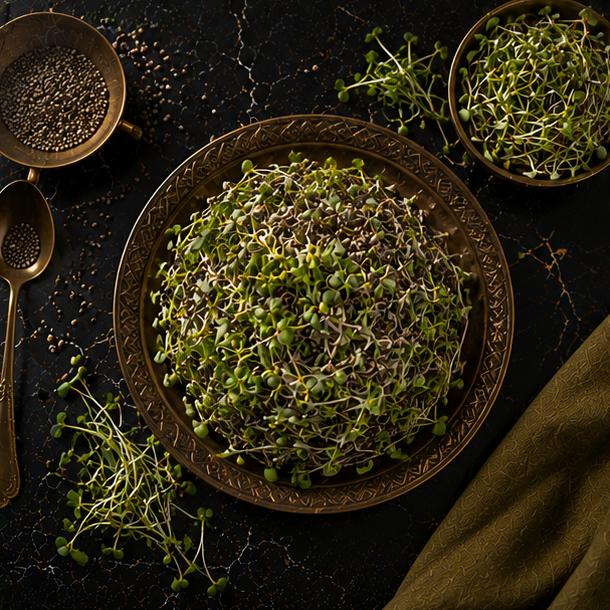
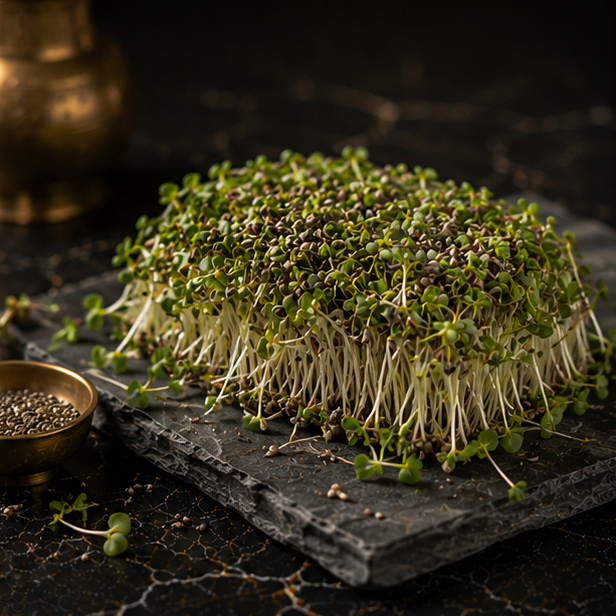
Chia microgreens are grown from organic Salvia hispanica seeds — harvested 7–10 days after seeding when bioavailable mineral density and live enzyme content peaks. While chia seeds are famous for mucilaginous soluble fibre and ALA omega-3 fatty acids, the microgreens concentrate bioavailable calcium (~18% DV/10g), magnesium, iron, and chlorophyll — along with antioxidant flavonoids quercetin and kaempferol. Mild, slightly nutty flavour — versatile for any dish. Note: The ALA (alpha-linolenic acid) omega-3 present is a short-chain omega-3; the body converts only a small fraction to the long-chain EPA/DHA. FRESH LIVING PLANTS. Shelf life: 5–7 days refrigerated.
Benefits & Culinary Uses
Bone Health
~18% DV bioavailable calcium and magnesium per 10g — supports bone density.
ALA Omega-3
Alpha-linolenic acid supports heart health and brain function (limited EPA/DHA conversion).
Antioxidant
Quercetin and kaempferol provide strong cellular protection against oxidative stress.
Live Enzymes
Fresh microgreen enzymes support active nutrient absorption in the gut.
Blood Sugar Balance
Minerals and fibre help maintain steady glucose levels and energy.
Hydration & Electrolytes
High water content and minerals support electrolyte balance and hydration.
Beetroot Microgreens

nutrition Nutrition Facts (per 10g serving)
Beetroot microgreens (Beta vulgaris — Detroit Dark Red variety) are harvested 12–16 days from seeding — one of the longer-maturing microgreens but worth the wait for their exceptional nutrient profile. The ruby-red colour comes from betalain pigments: betacyanins (red-purple) and betaxanthins (yellow-orange) — these are exclusive to betalain-producing plants and are potent antioxidants. High dietary nitrates are converted by oral bacteria and stomach acid to nitric oxide (NO), which dilates blood vessels, improves oxygen delivery, lowers blood pressure, and enhances athletic endurance — effects backed by multiple clinical studies. Contains more bioavailable iron than mature spinach leaves. FRESH LIVING PLANTS. Shelf life: 5–7 days refrigerated.
Benefits & Culinary Uses
Cardiovascular Health
Dietary nitrates → NO via oral bacteria → vasodilation and blood pressure support.
Athletic Endurance
Nitric oxide improves oxygen efficiency in muscles — clinically studied for performance.
Anti-Inflammatory
Betacyanin betalains protect against oxidative stress and systemic inflammation.
Bone Health
~45% DV Vitamin K per 10g — exceptional for bone mineralisation and clotting.
Iron-Rich
Higher bioavailable iron concentration than mature spinach leaves.
Gourmet Plating
Most visually striking microgreen for fine dining and food photography.
Order Fresh Microgreens
Available for home delivery, bulk orders for restaurants, and weekly subscription packages.